AUTHORS: ARCHITECT11
IN COLLABORATION: arcwood by peetri puit
LOCATION: randvere tee 8, viimsi
COMPETITION: 1ST PLACE 2003 OPEN ARCHITECTURAL COMPETITION
STATUS: FINISHED IN 2006
CATEGORY: ARCHITECTURE I INTERIOR ARCHITECTURE I PUBLIC BUILDINGS
SHARE:
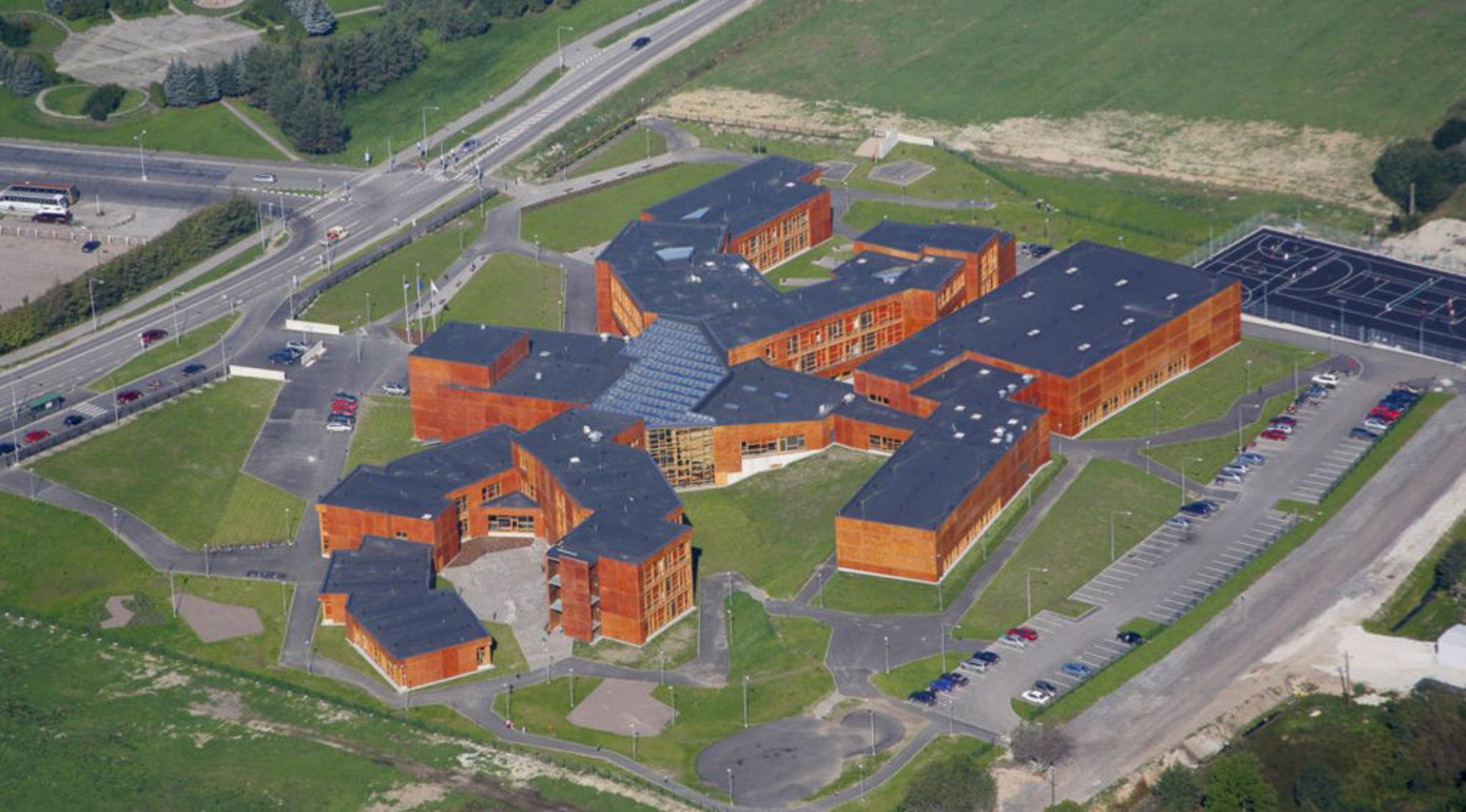
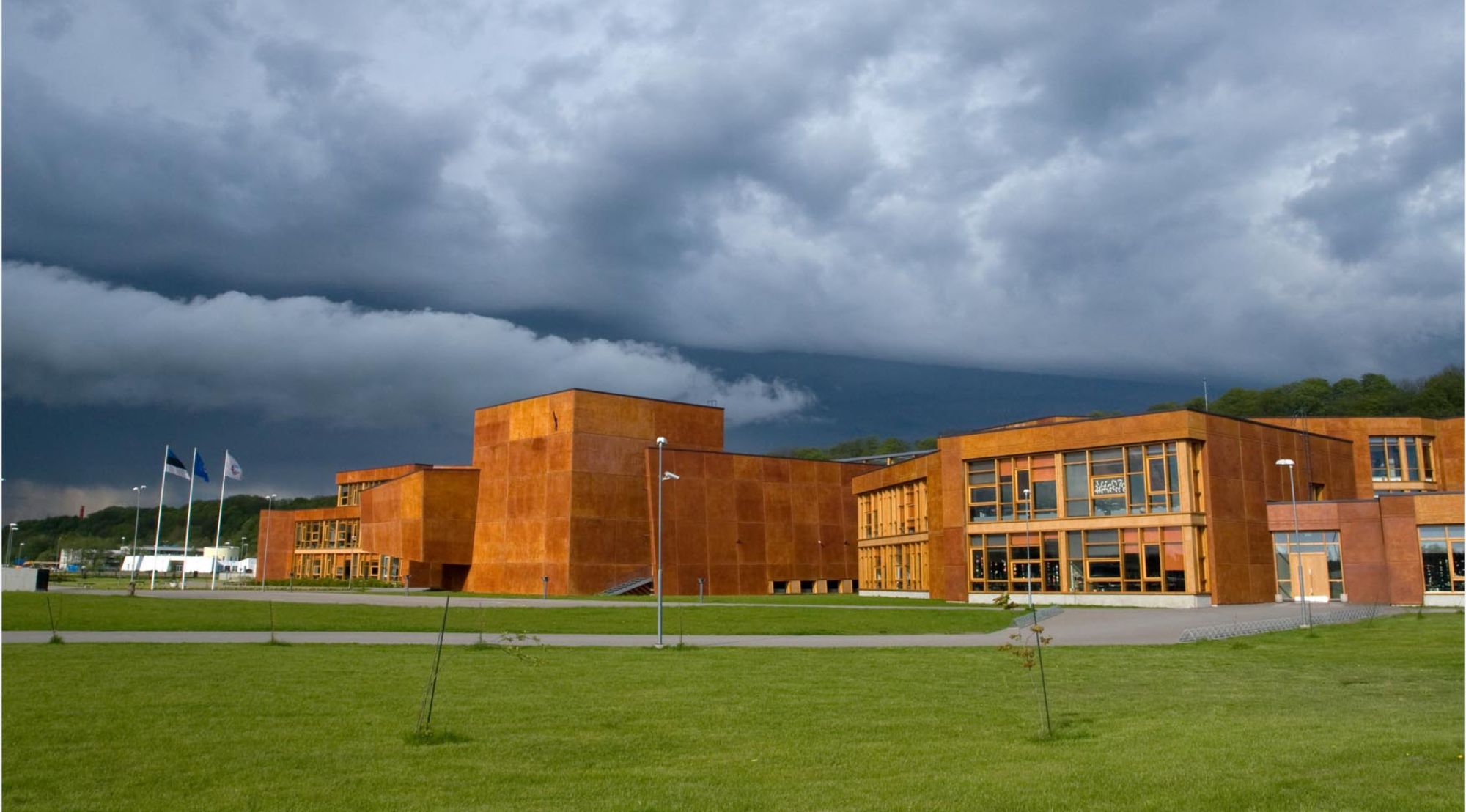
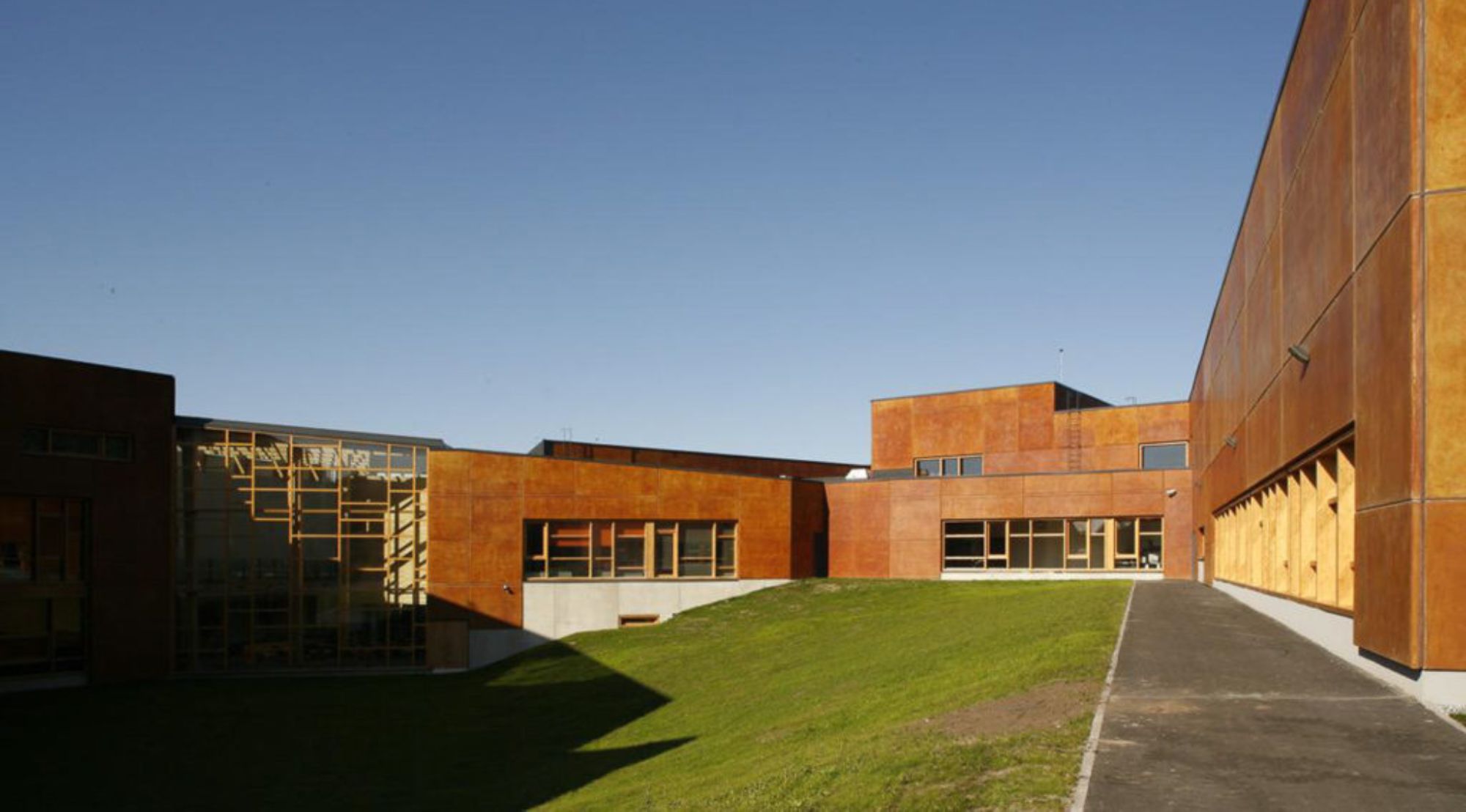
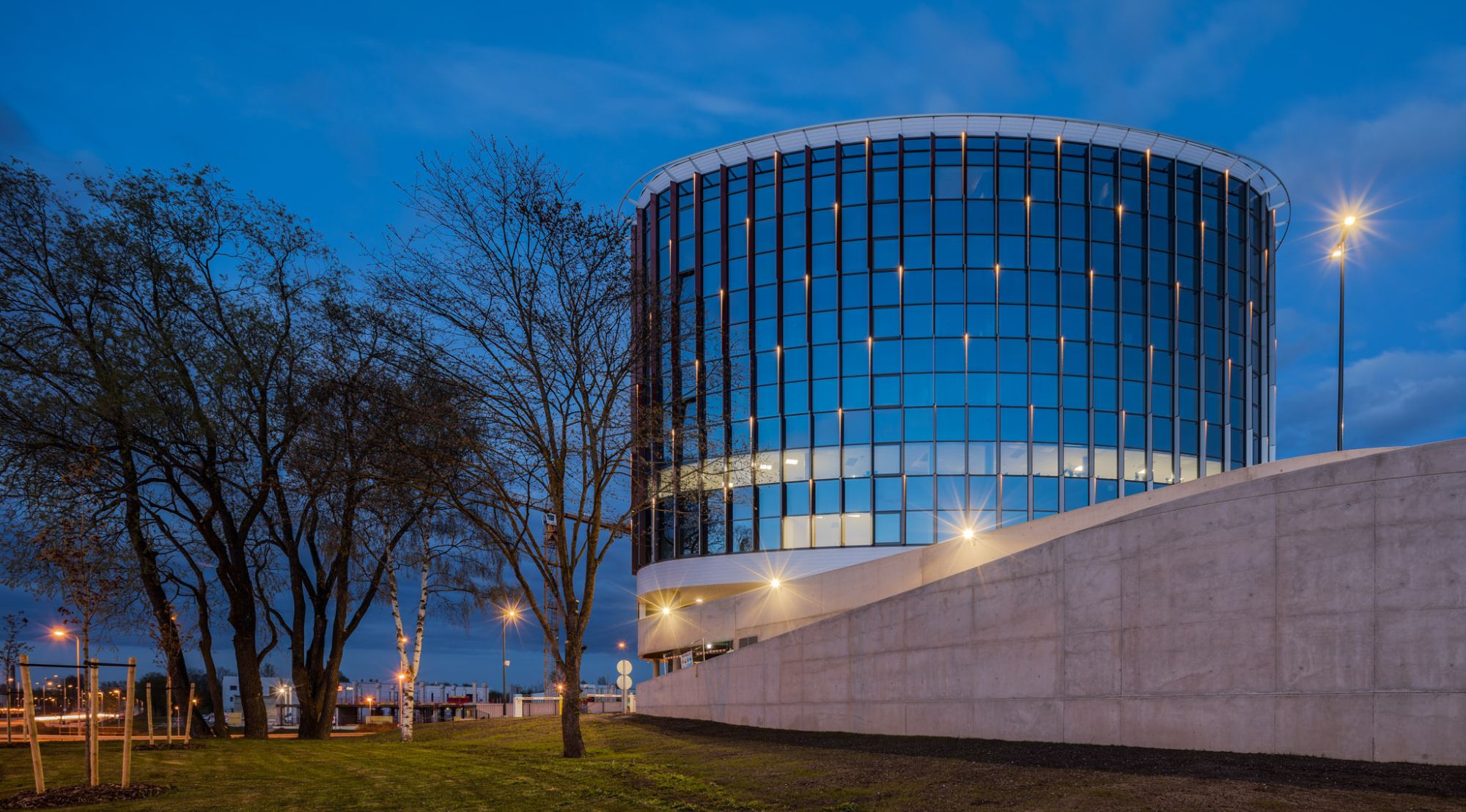
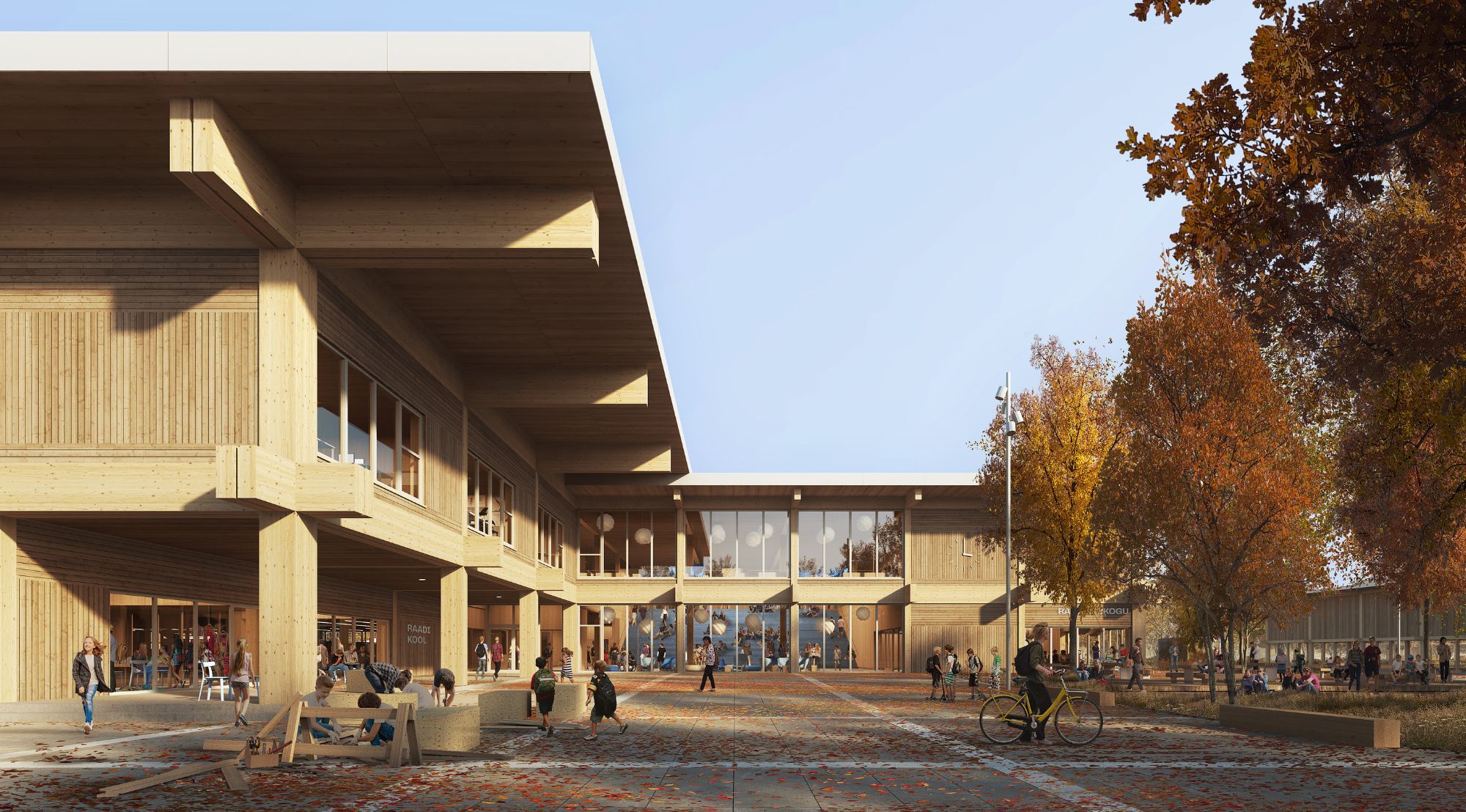
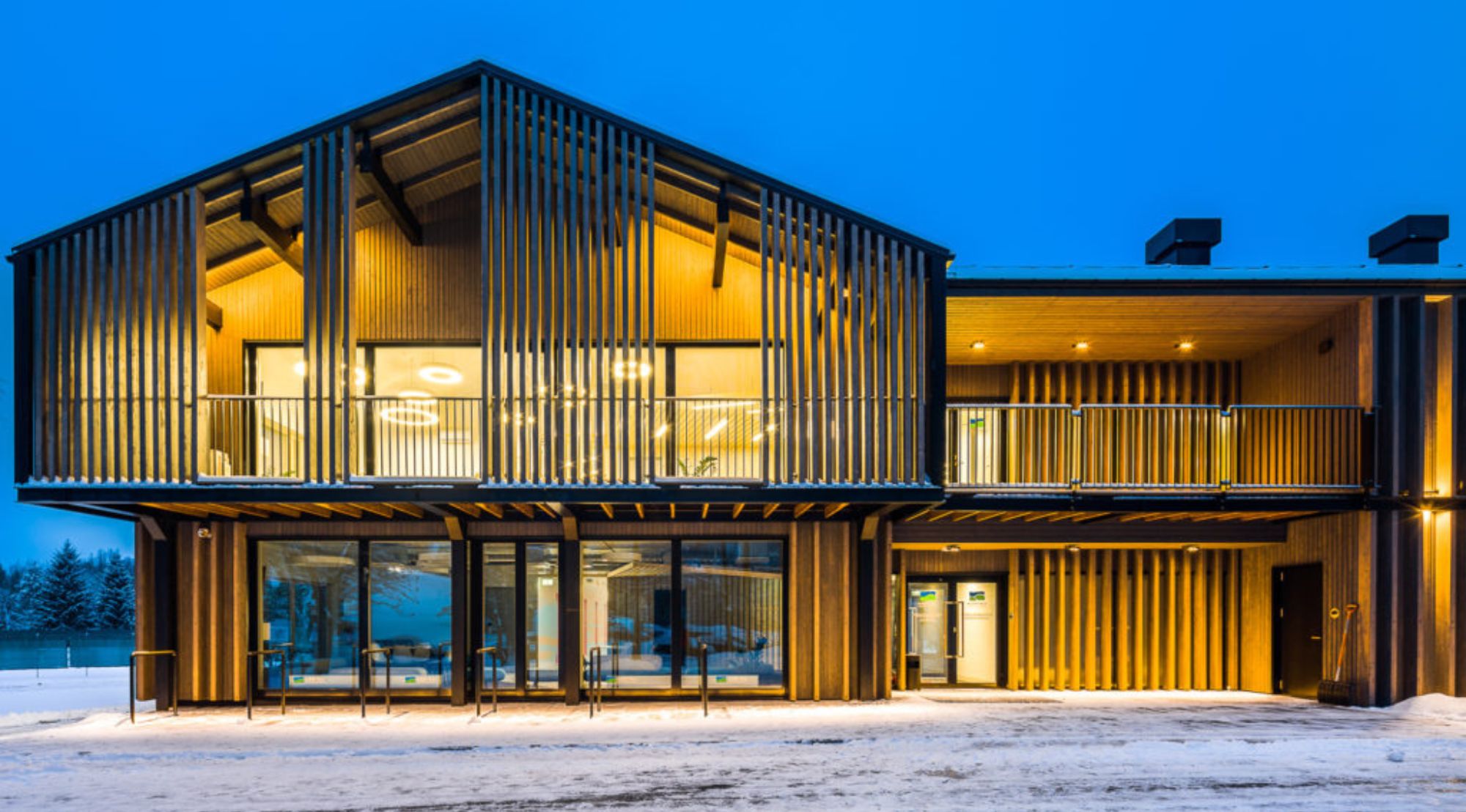
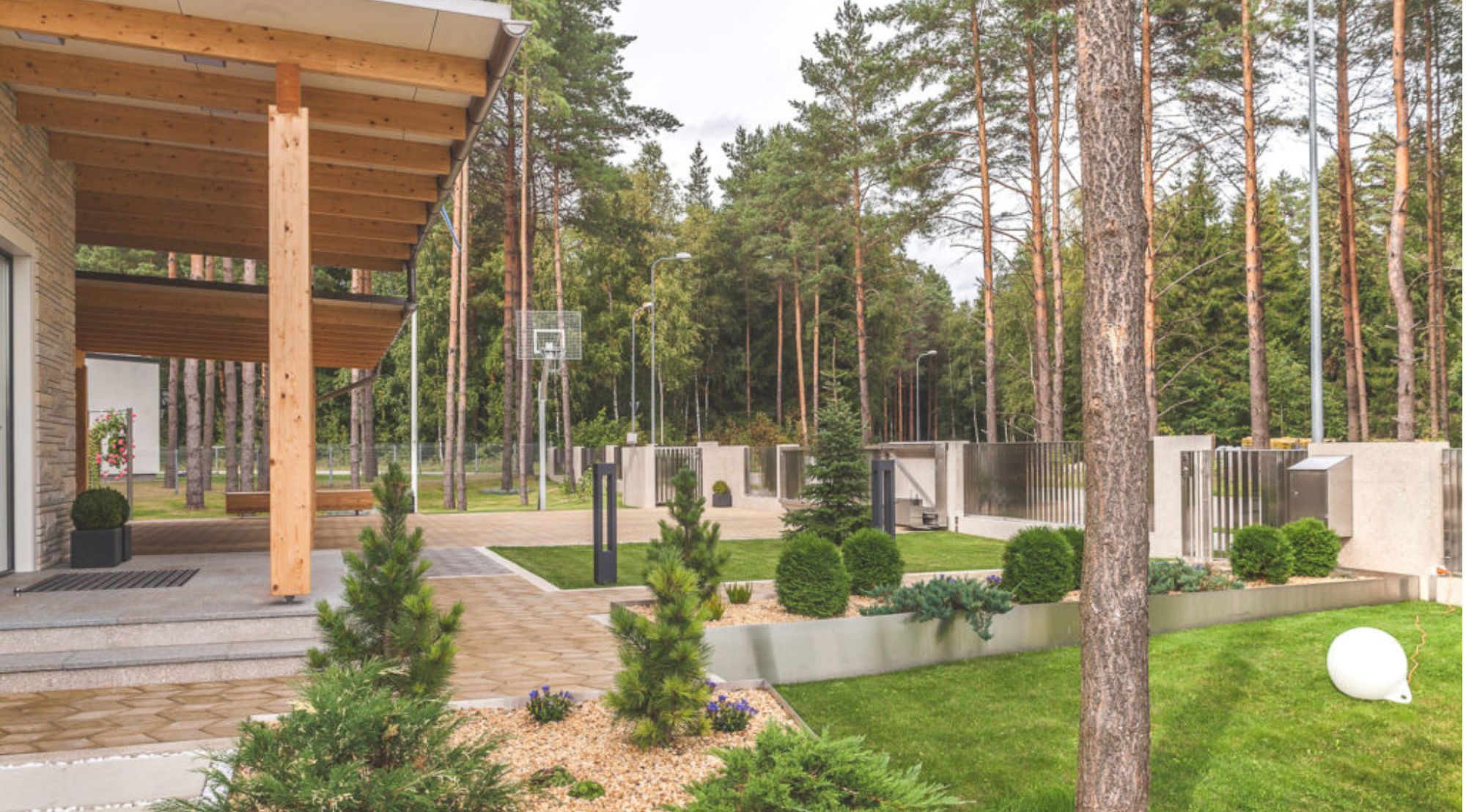
In the 2003 architectural competition, we were faced with the question: how to create a school for the children of the new millennium that grows with the community? In the midst of the urban boom of Viimsi, more than a functional educational building was needed – we needed a space that would tell a story of change, growth and looking to the future. Our answer was bold: we abandoned the traditional “school face” and created an organic, multi-branched complex that resembles the growth of a living organism. The building has a chaotic layout, but this chaos serves a function – the different wings are grouped according to age groups and fields of study, creating an optimal learning environment.
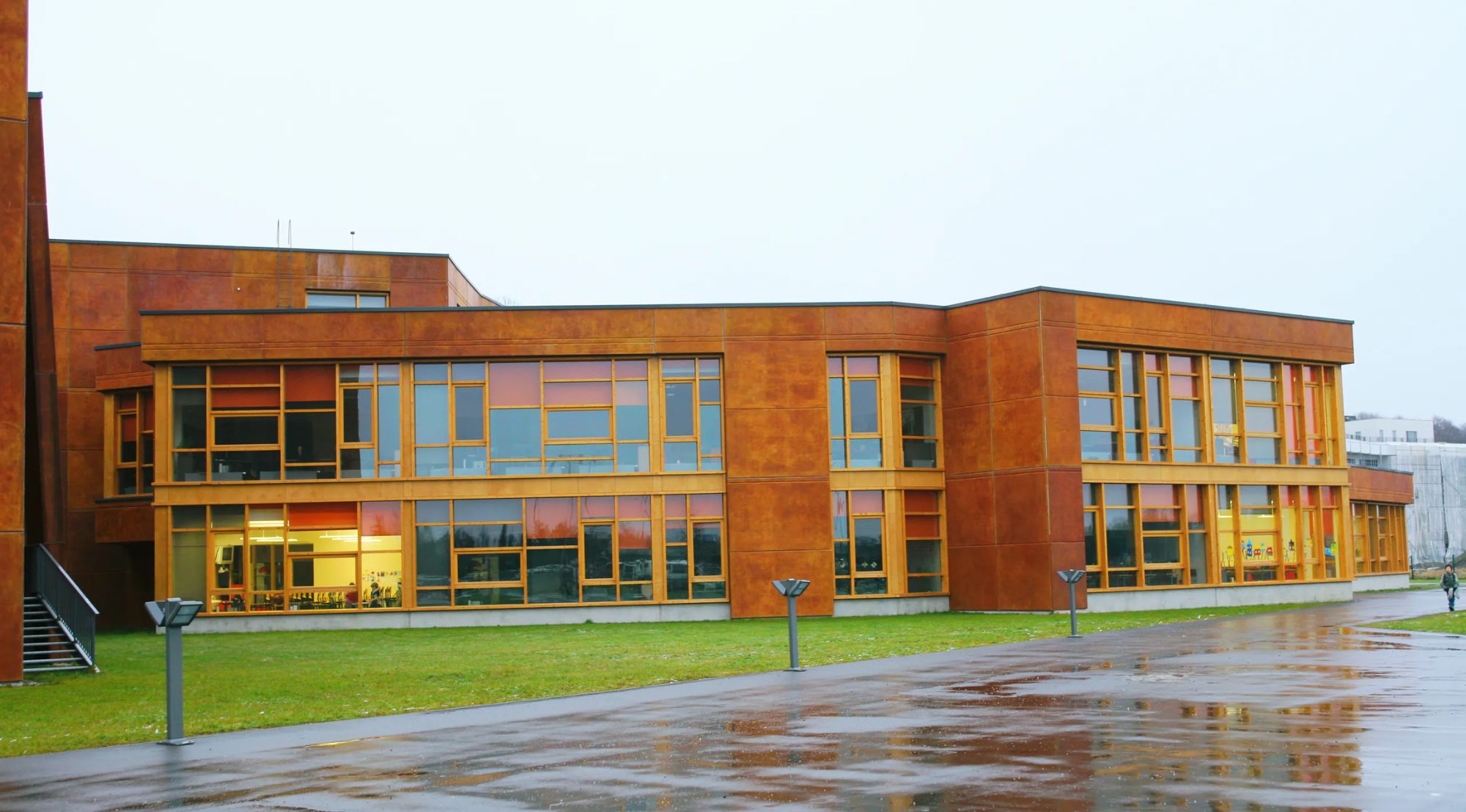
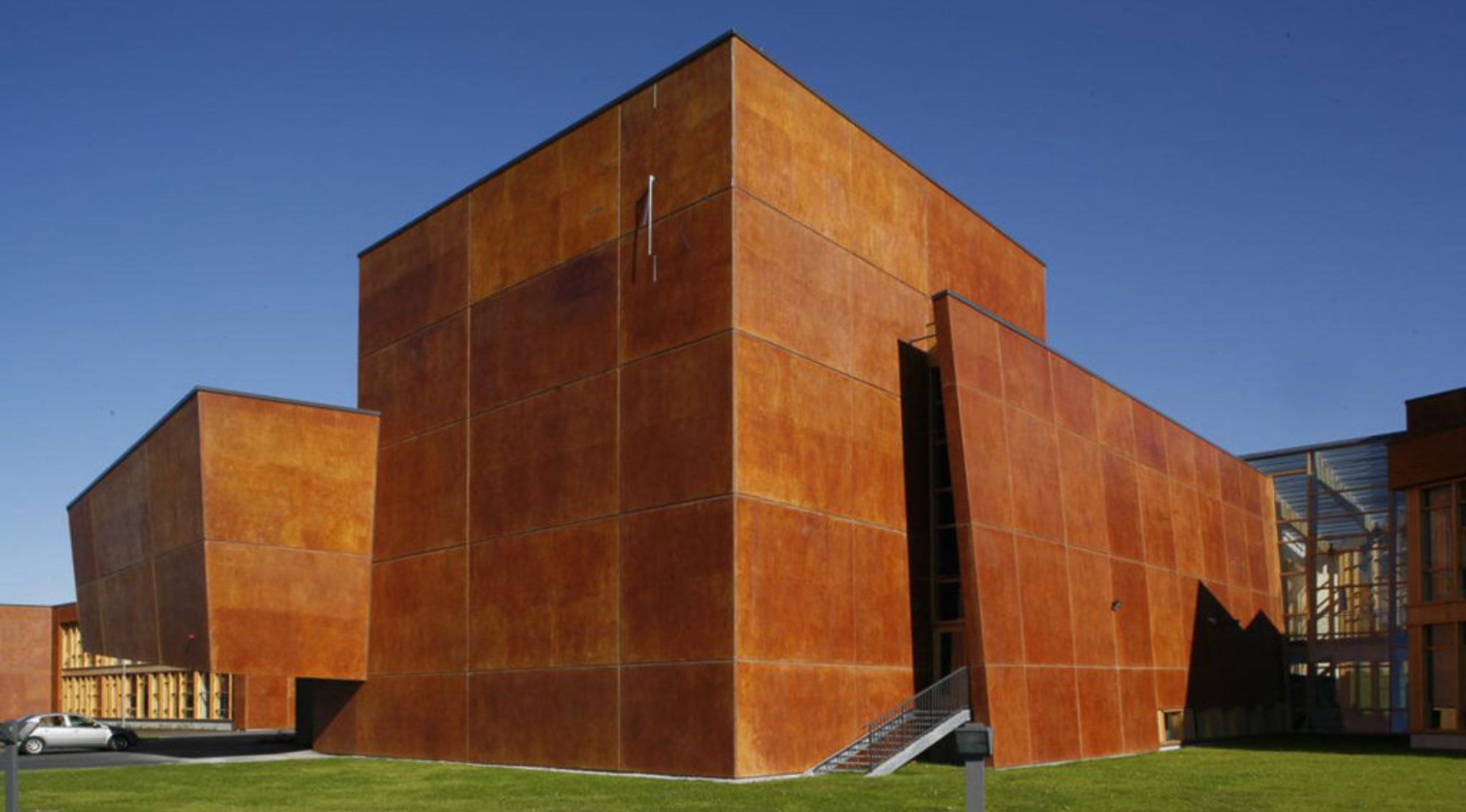
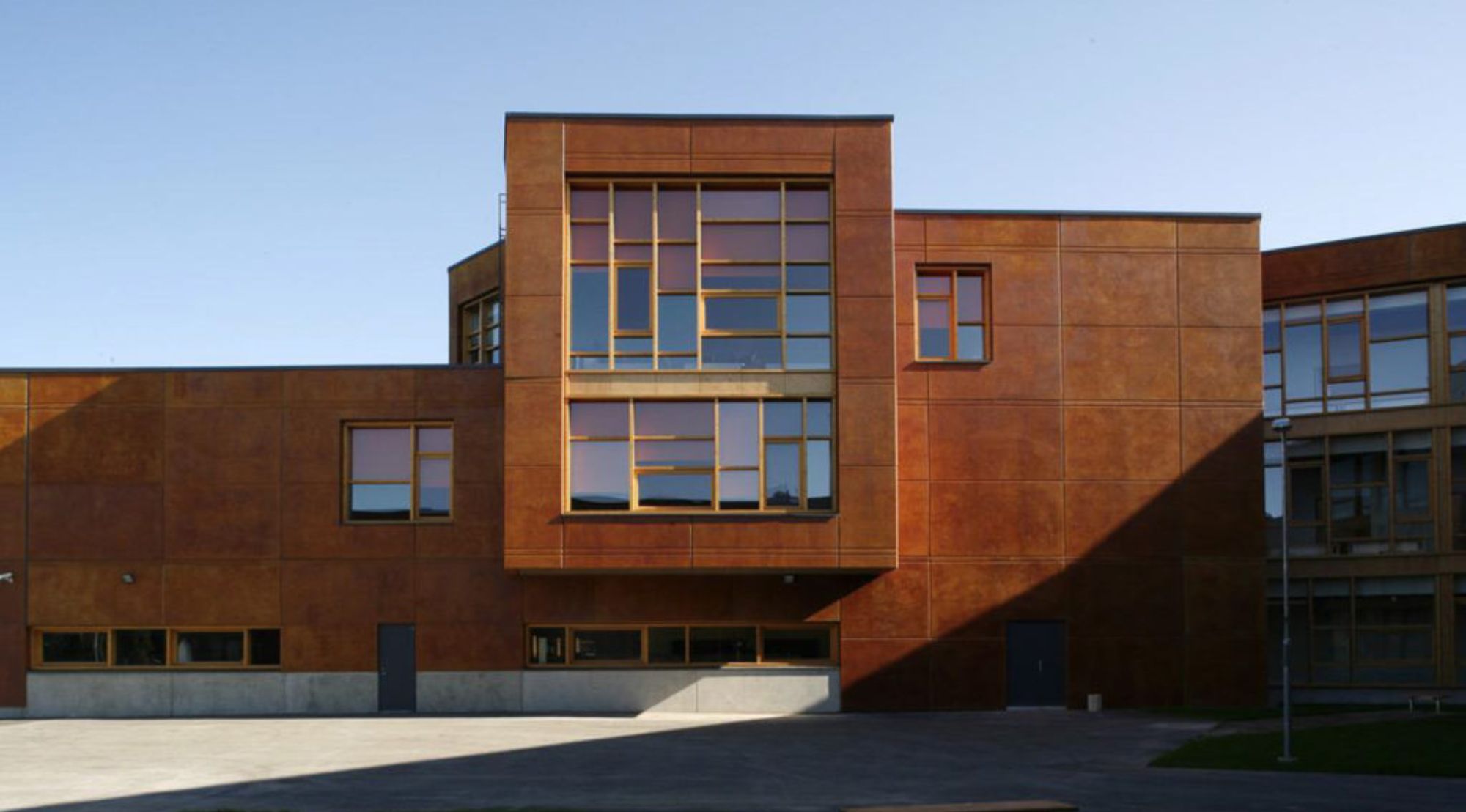
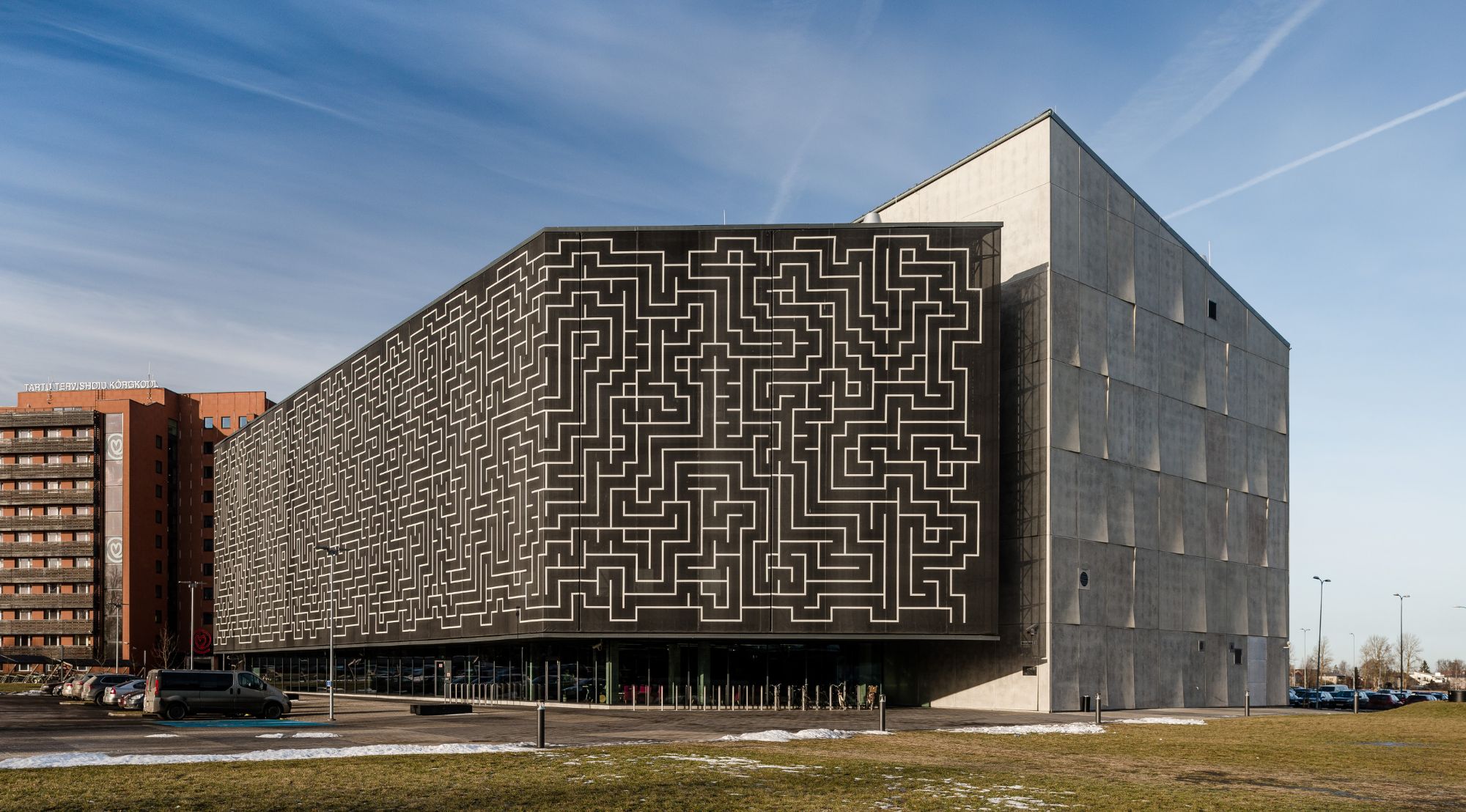
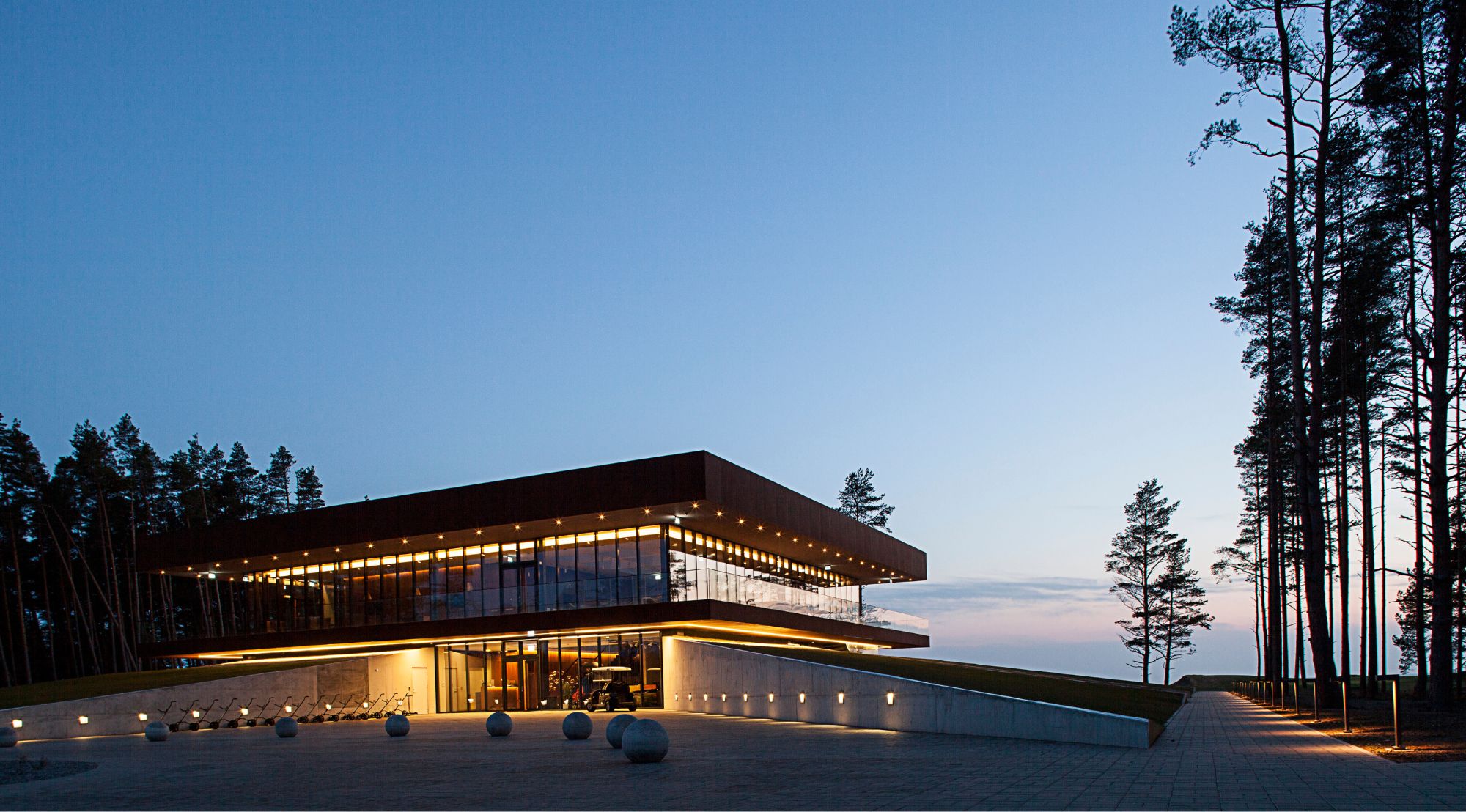
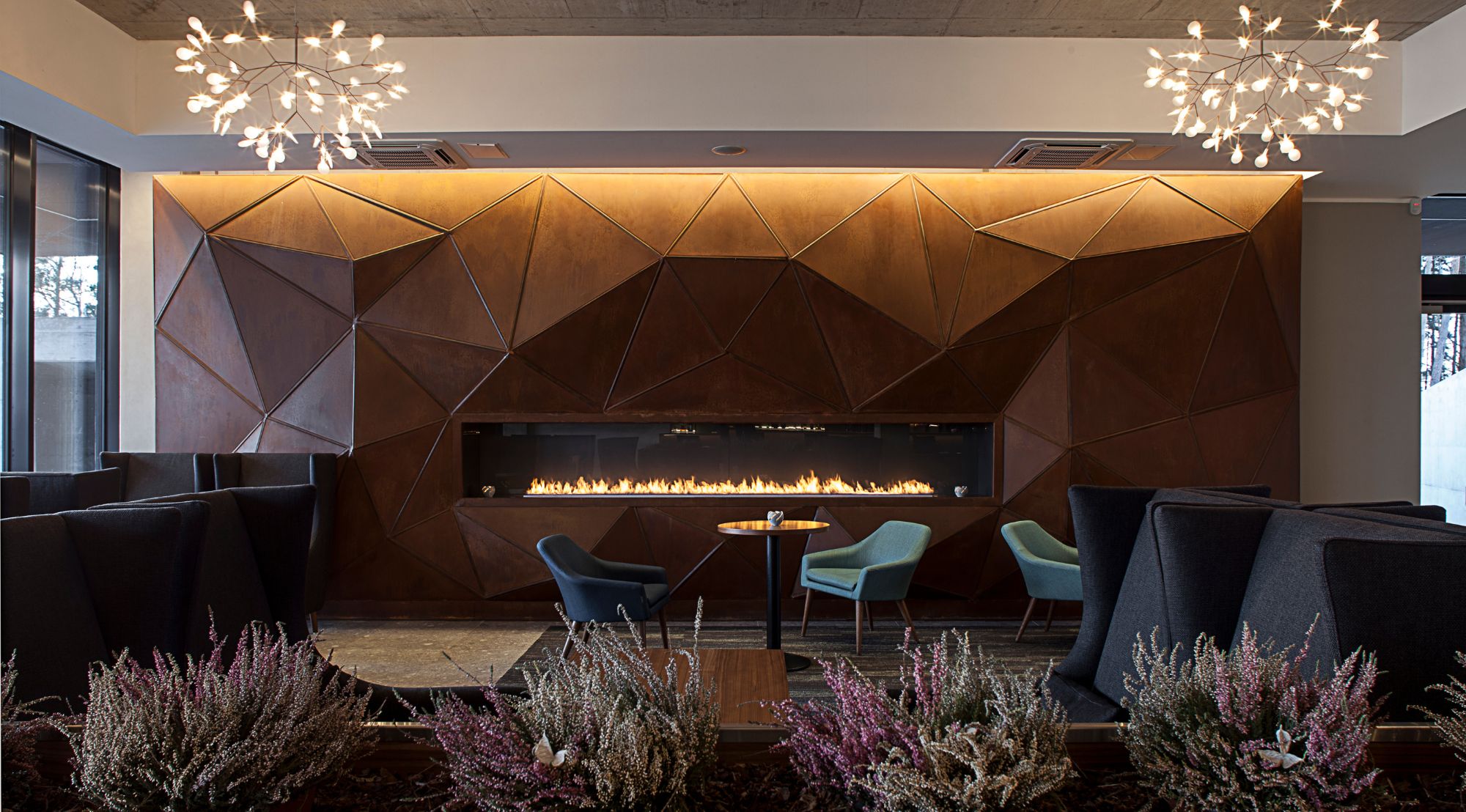
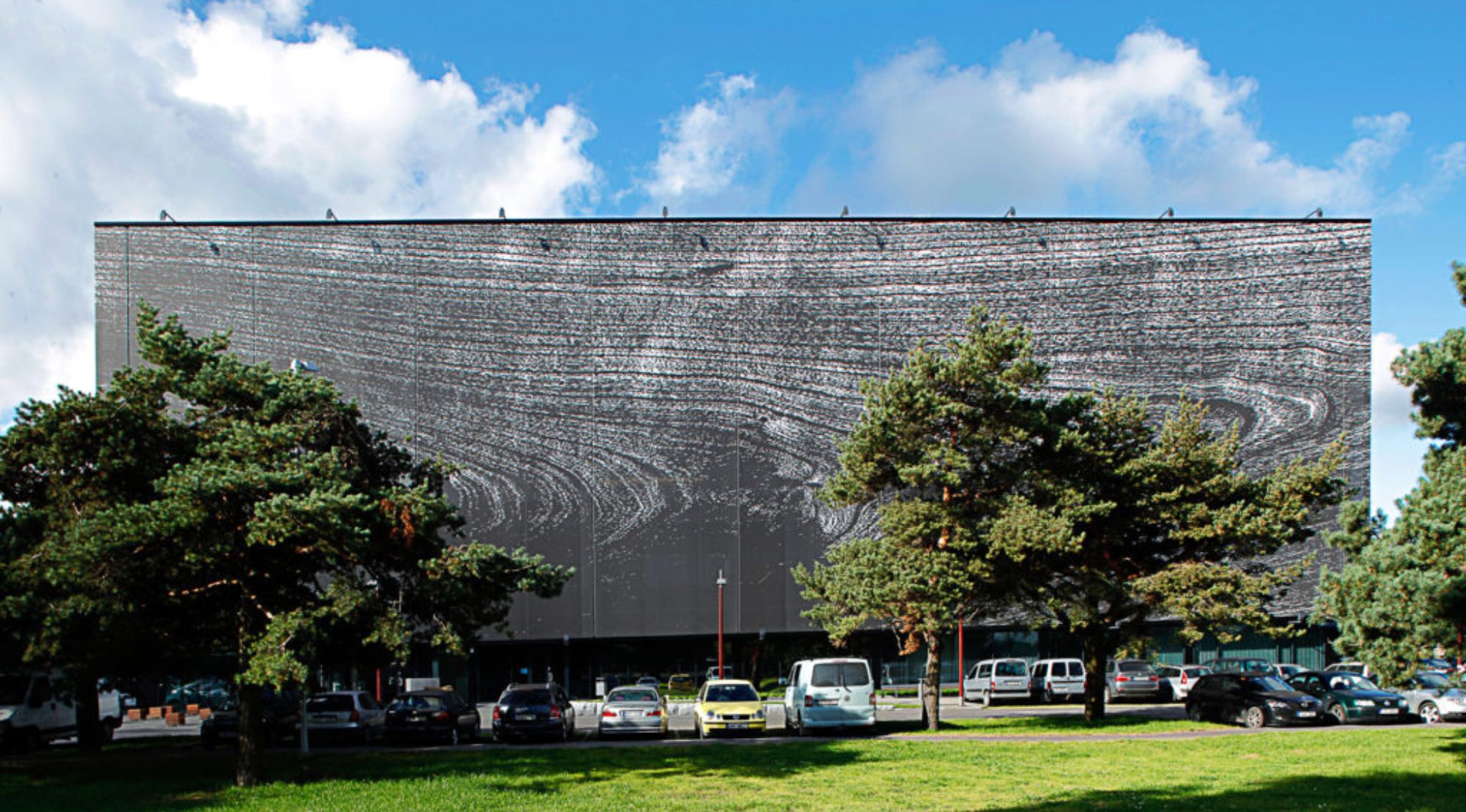
One of the most striking elements of the building is the alternation of concrete surfaces treated with ferric chloride with large glass surfaces. This rust-colored effect is not simply decorative – it tells a story of constant change, the passage of time and its acceptance. The material ages gracefully, as an educational institution should – becoming more interesting over time, not worn out. The different inclinations and forms of the wall surfaces give the building a dynamic exterior that changes depending on the point of view. This is architecture that refuses to be defined unambiguously – as should not be the case for an educational space that must open up every day.
The calm power of the interior spaces
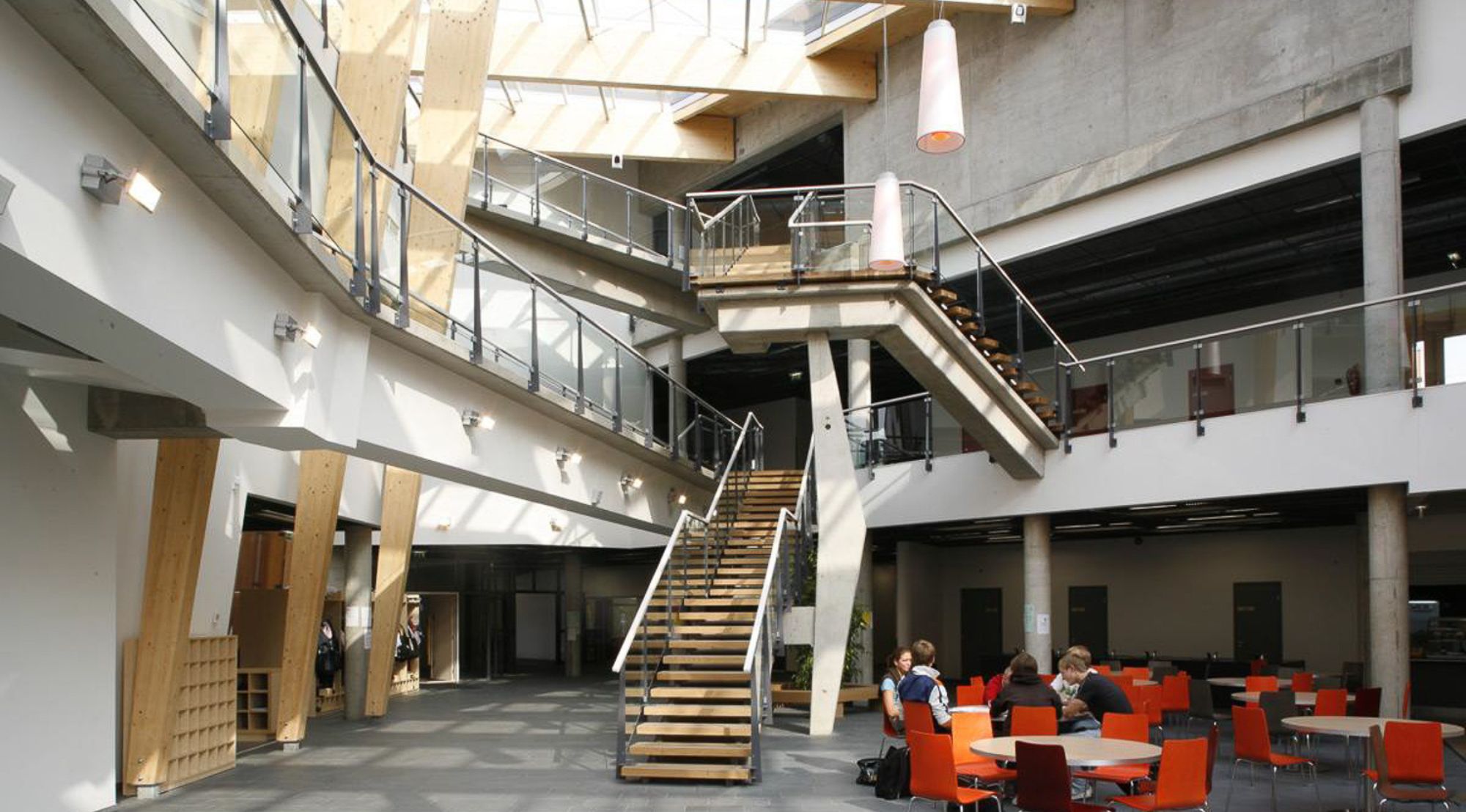
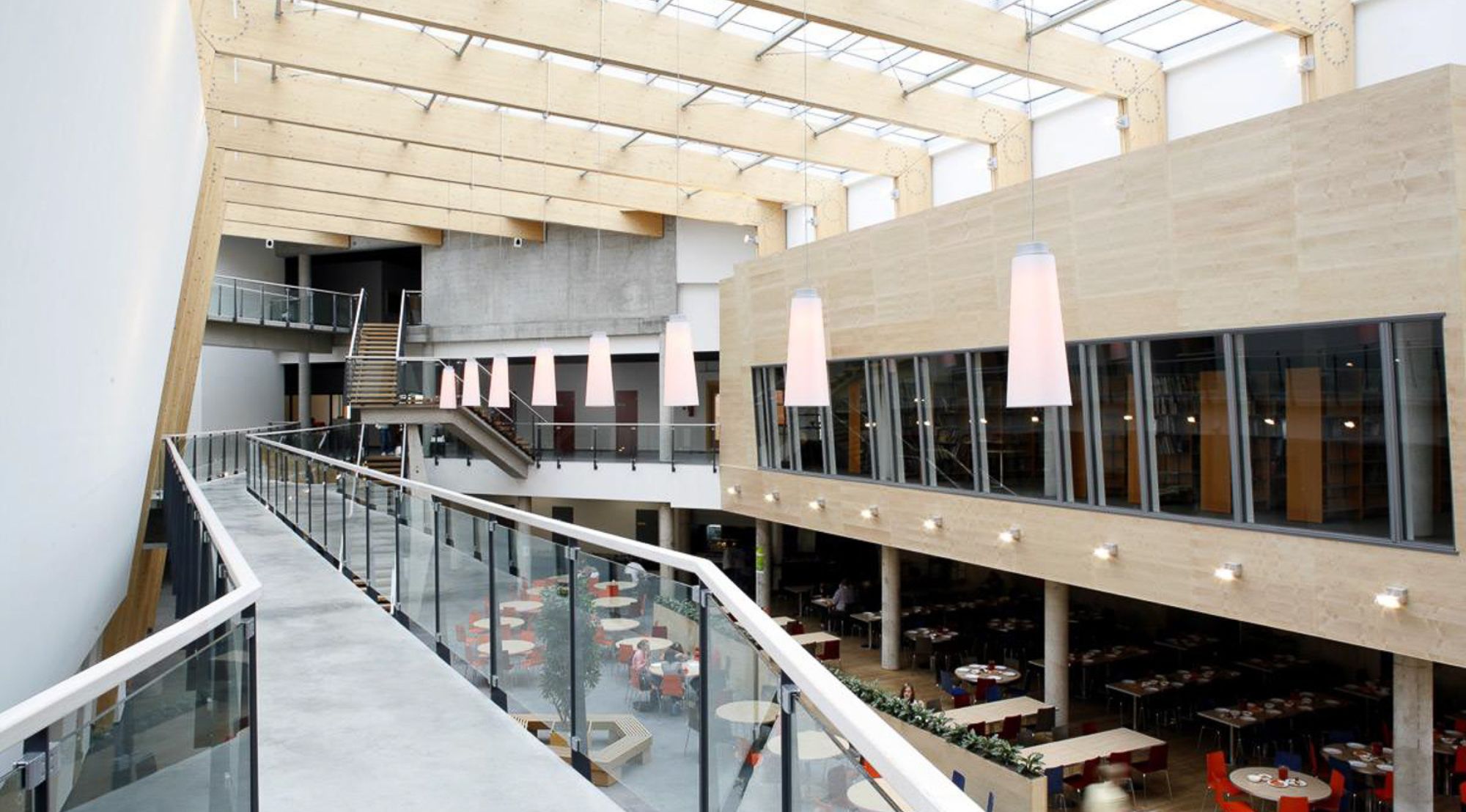
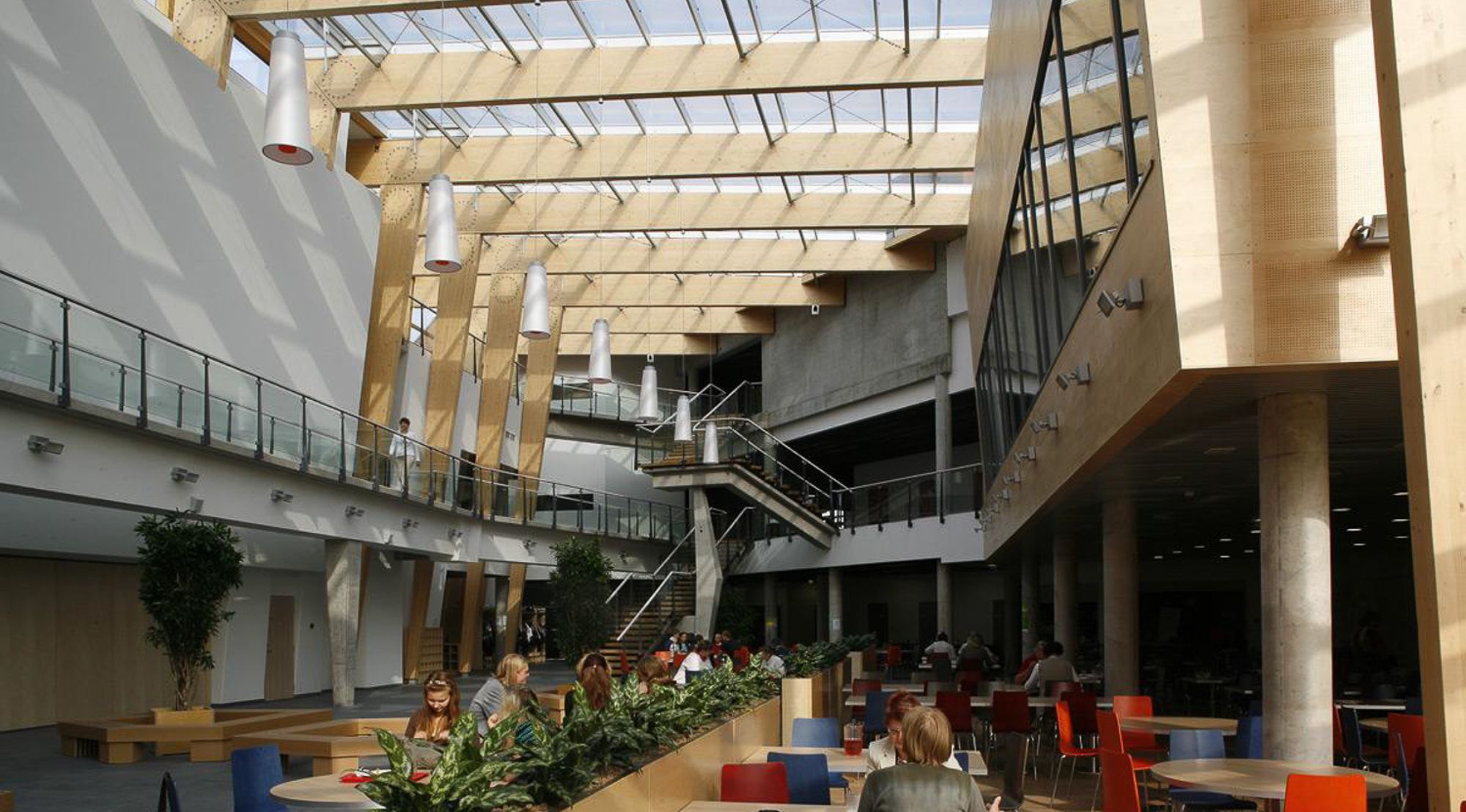
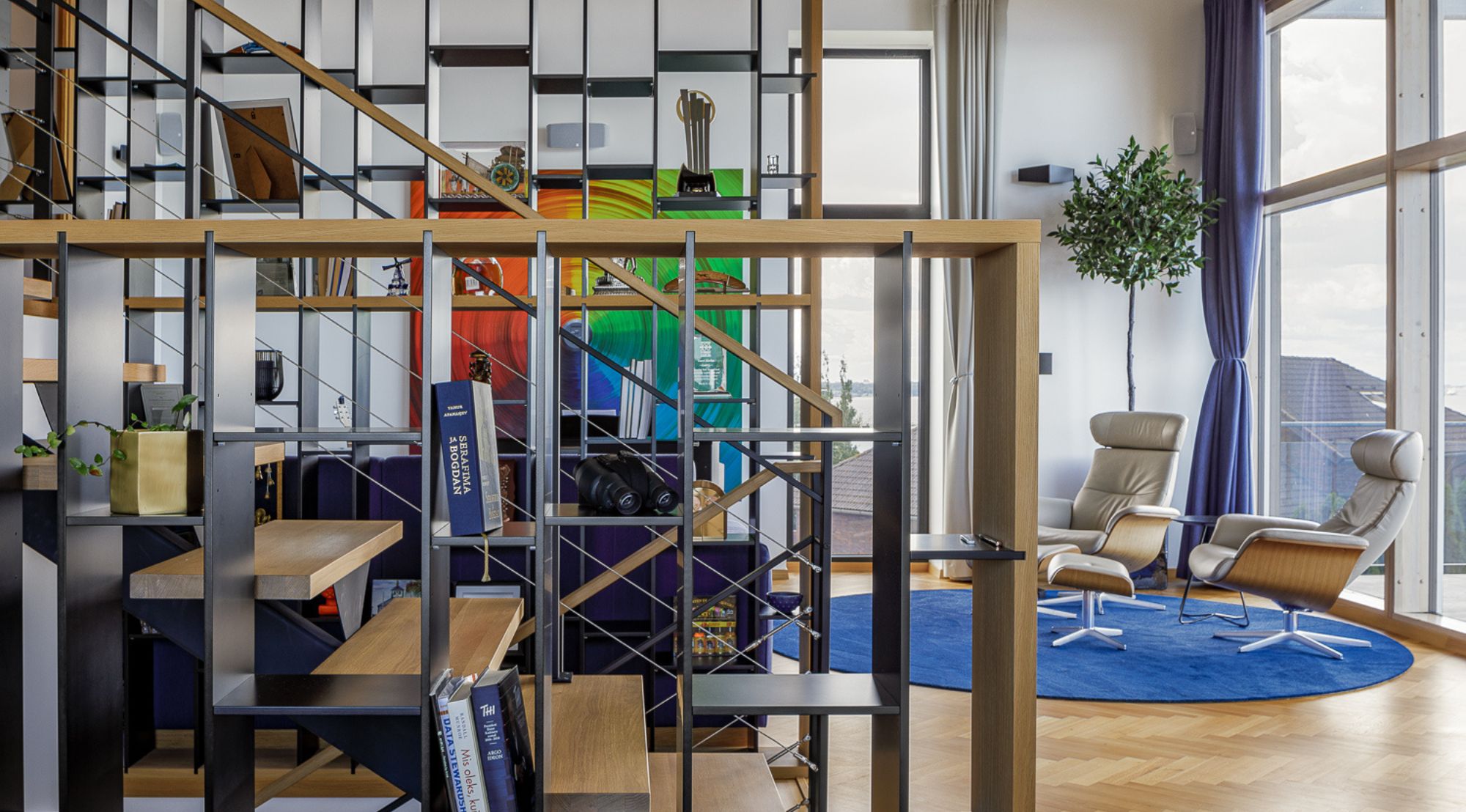
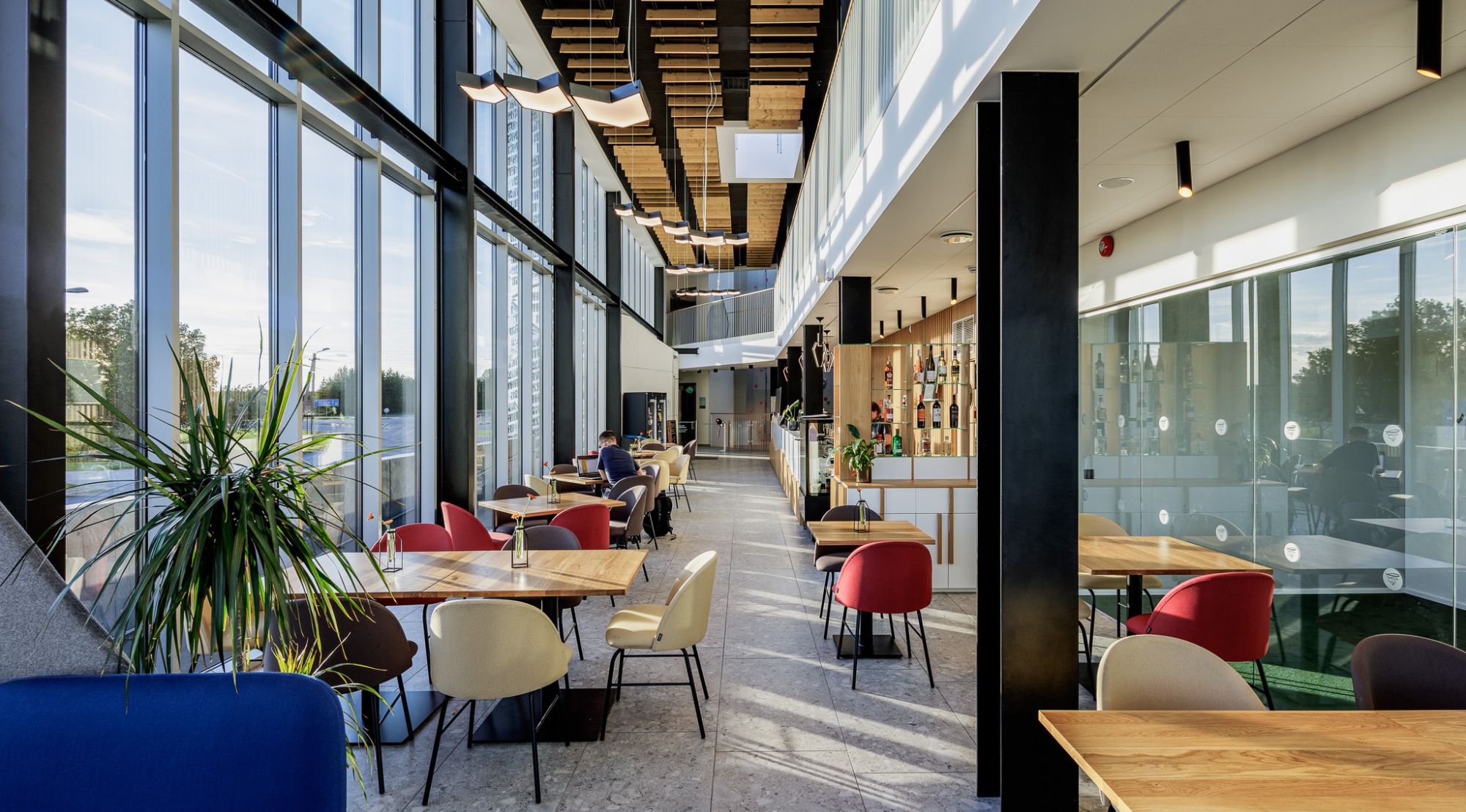
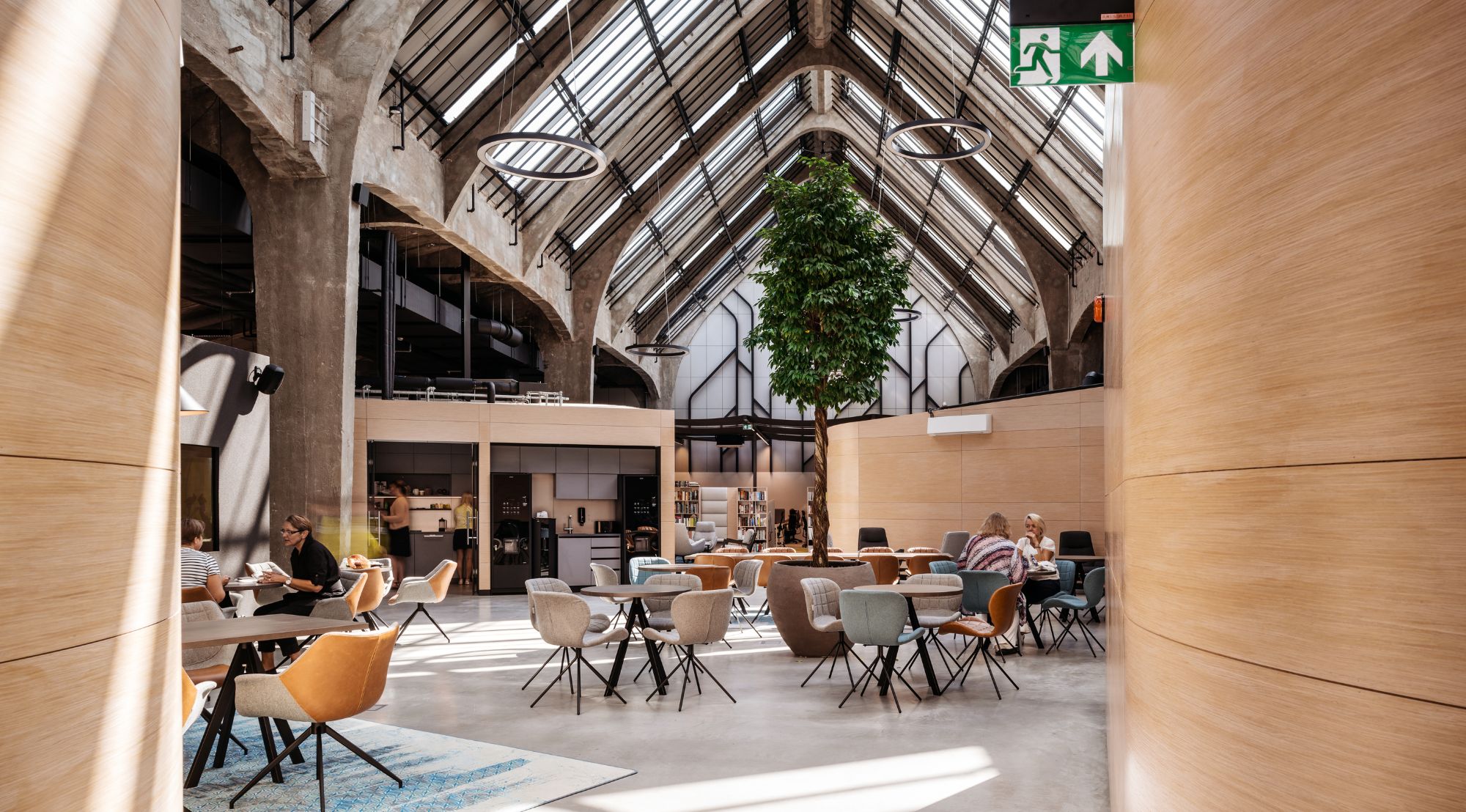
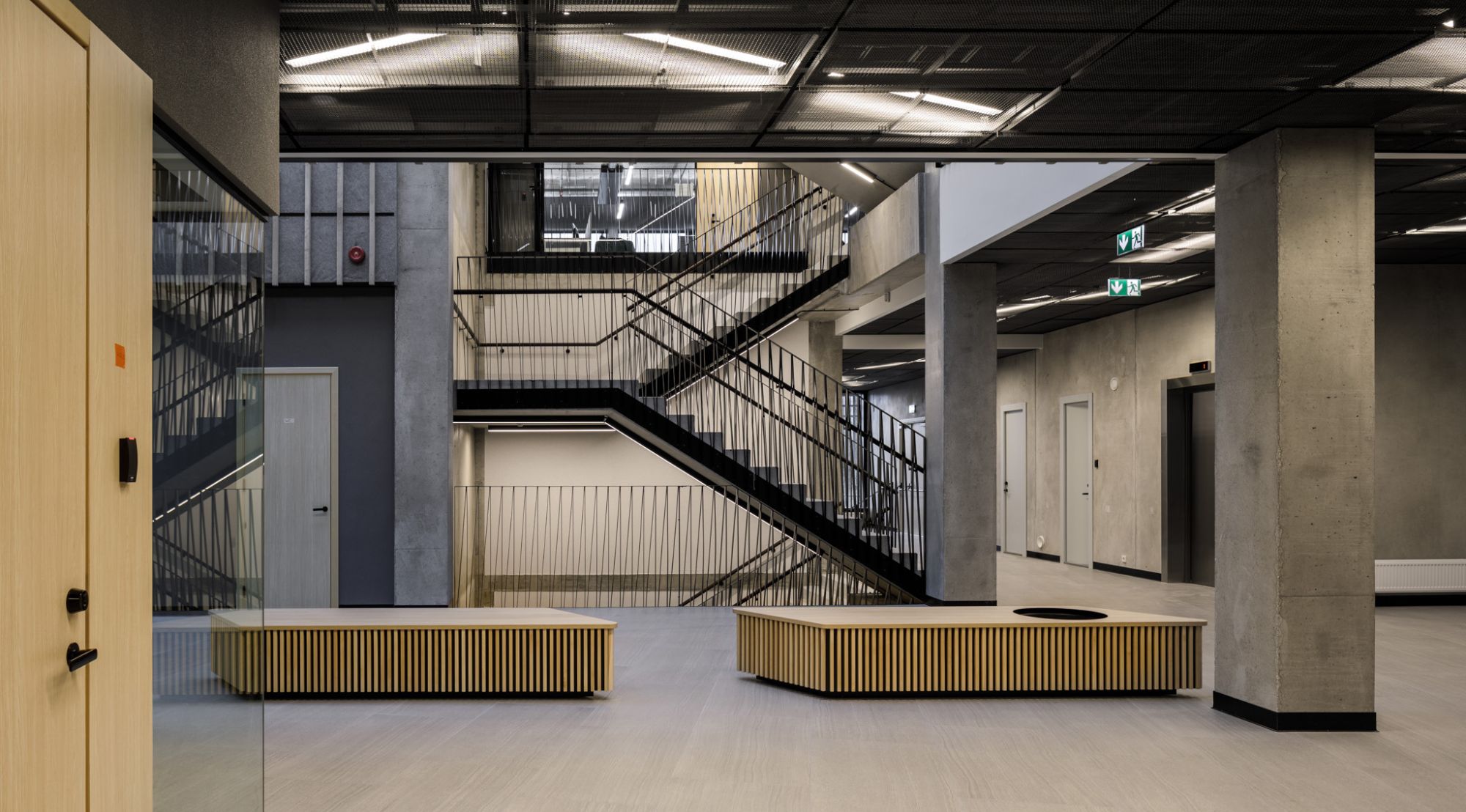
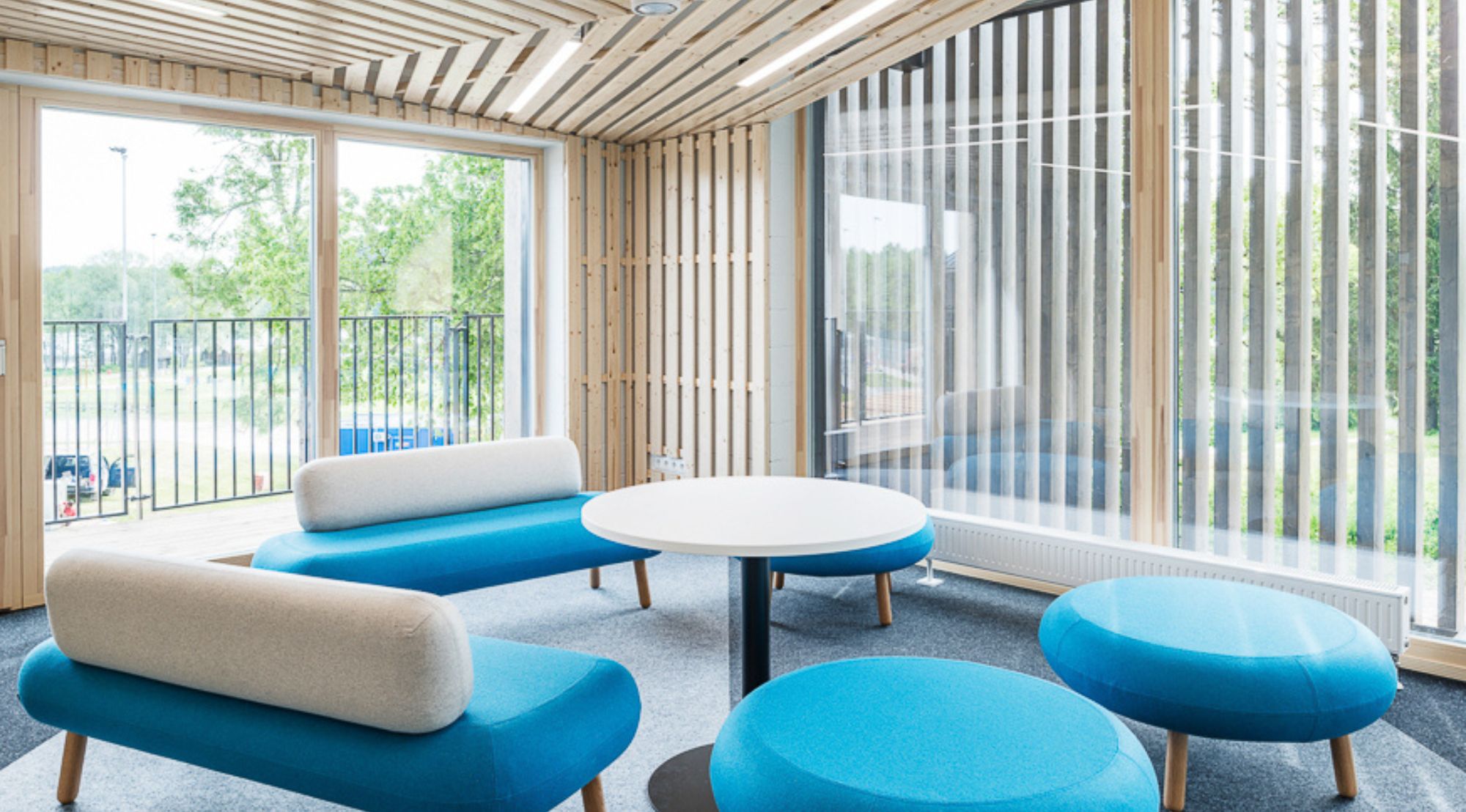
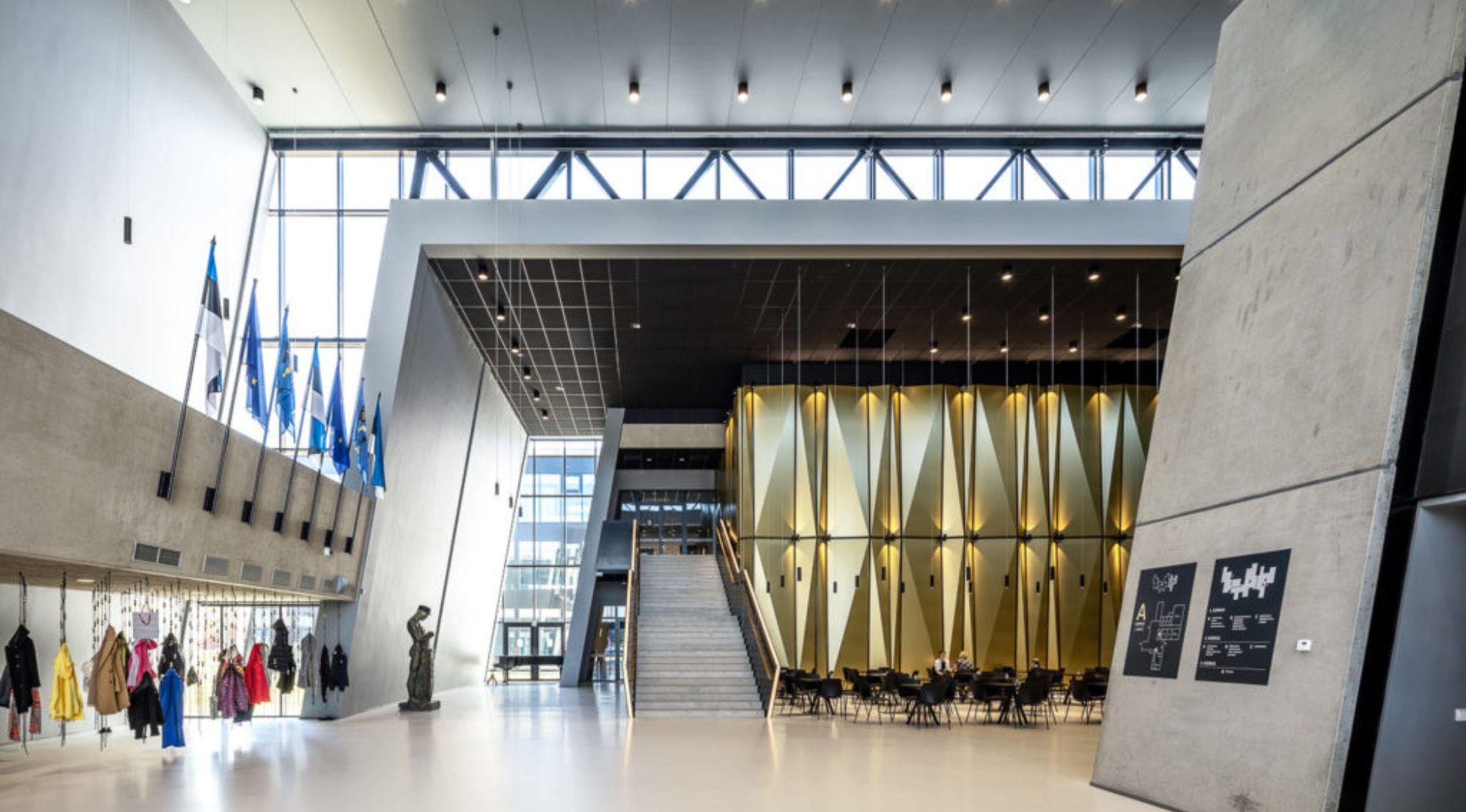
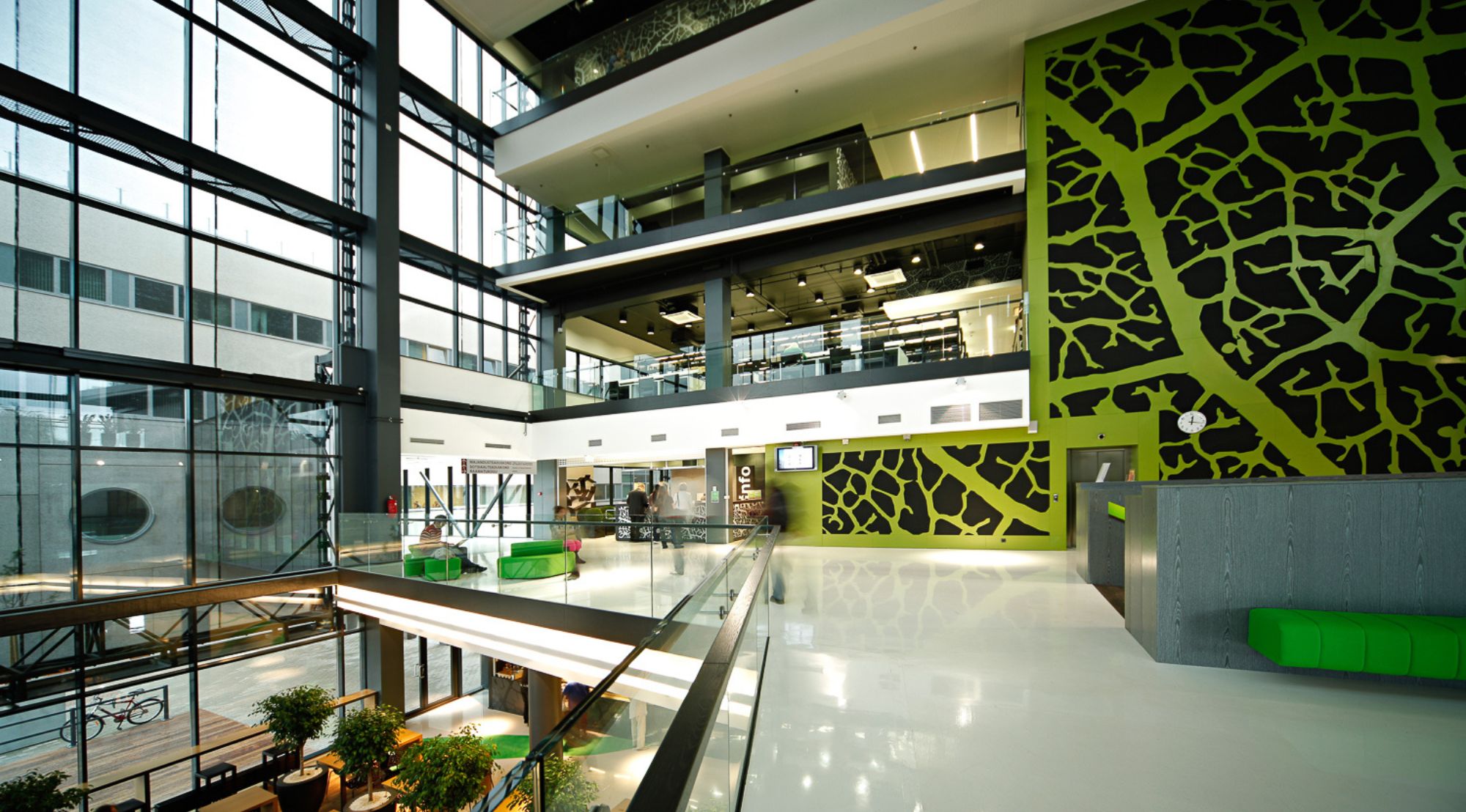
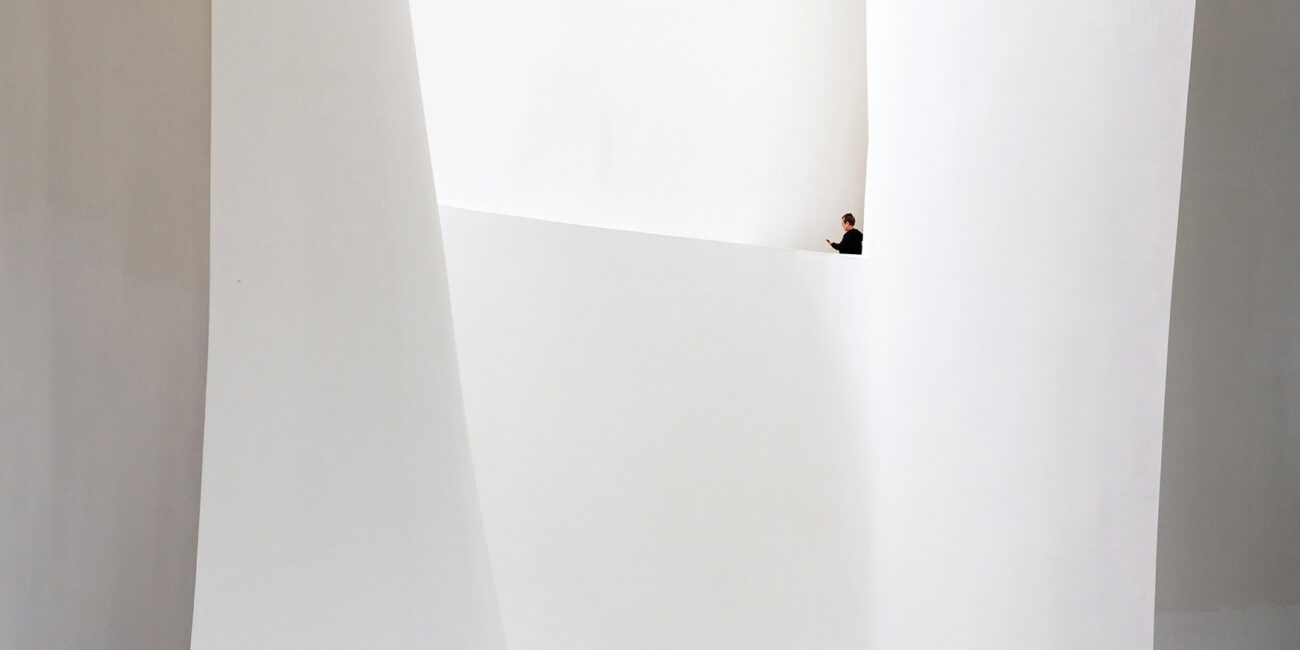
Inside the spaces, a simple choice of materials has created a suitable backdrop for the students’ lively everyday life. The atrium, constructed of green concrete and natural glued wood, connects the building’s irregularly planned wings, acting as the heart of the spatial organism. When completed, Viimsi School was the most modern school building in Estonia – not only in terms of technical solutions, but also in terms of spatial treatment. It taught us that schools do not have to be boxes for classes, but can be multi-level ecosystems where architecture itself teaches – the acceptance of change, environmental awareness and that true beauty can be born from roughness and disorder.
Viimsi School was the starting point for our journey in educational architecture – it taught us that schools can be much more than educational institutions. They can be the hearts of communities that grow and change with the people who use them.